Forensics + Analytical Science
Where biology meets evidence, questions, and real people.
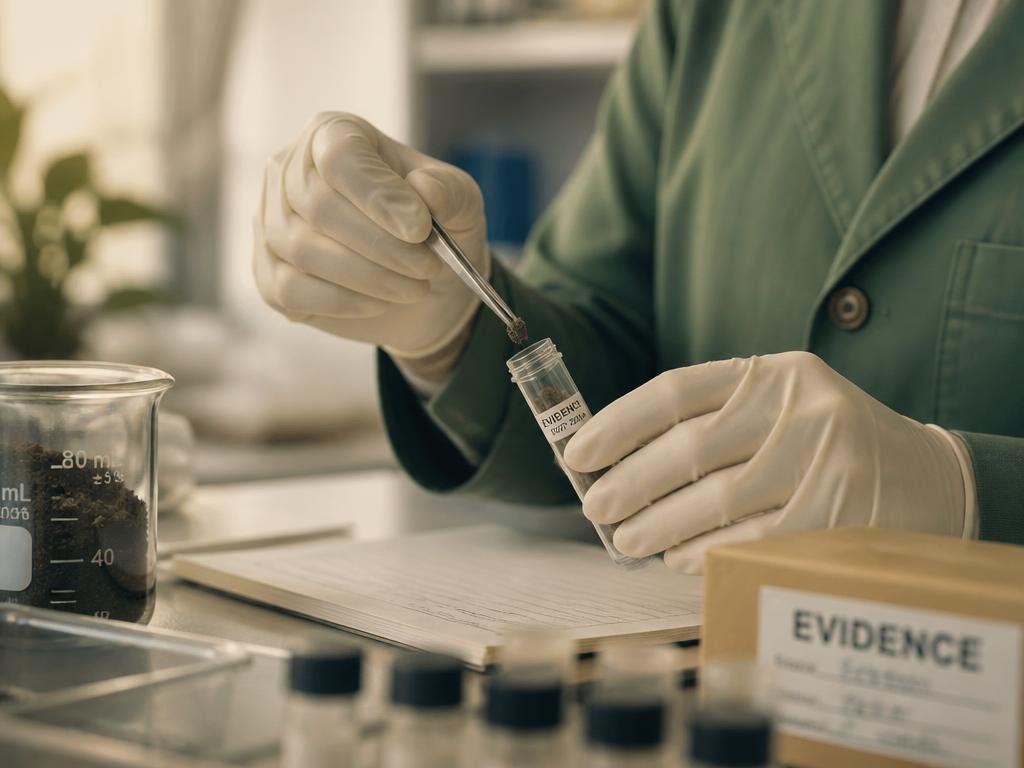
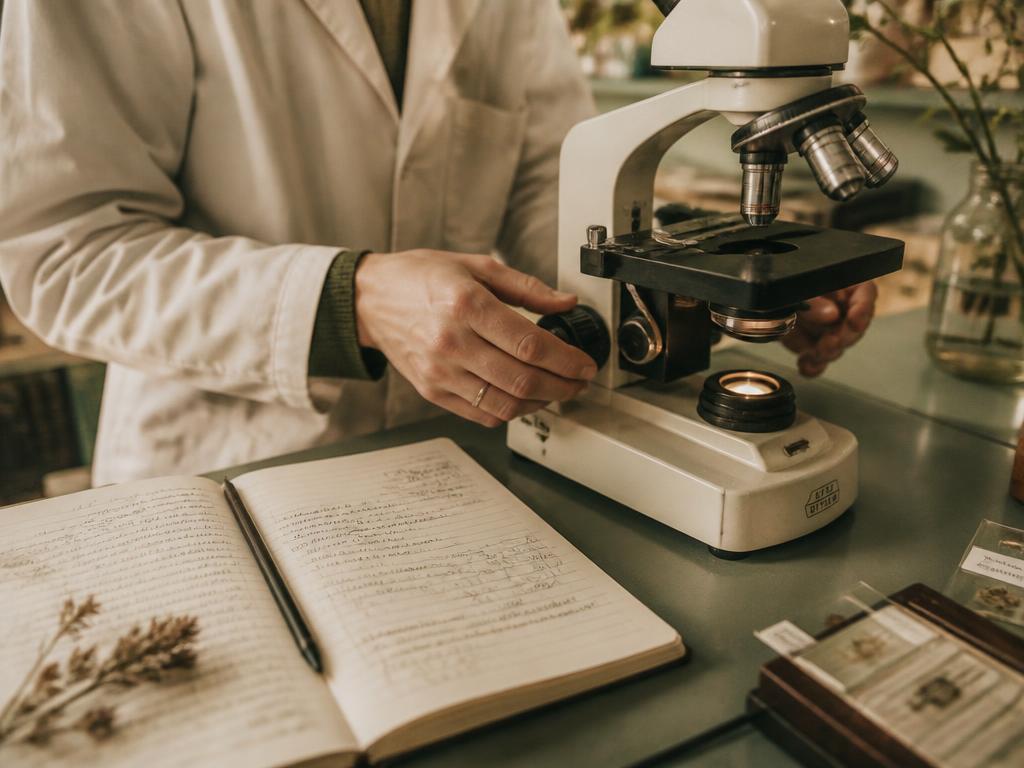
Forensic science first showed me how much can depend on a small piece of information handled carefully. It is a field built on biology and chemistry, but also on process, context, documentation, and the responsibility that comes with interpreting evidence.
That way of thinking has stayed with me even as my education expanded into cellular and molecular biology.
Science with consequences beyond the result.
My undergraduate work in forensic science gave me a foundation in applying biological science to investigative questions.
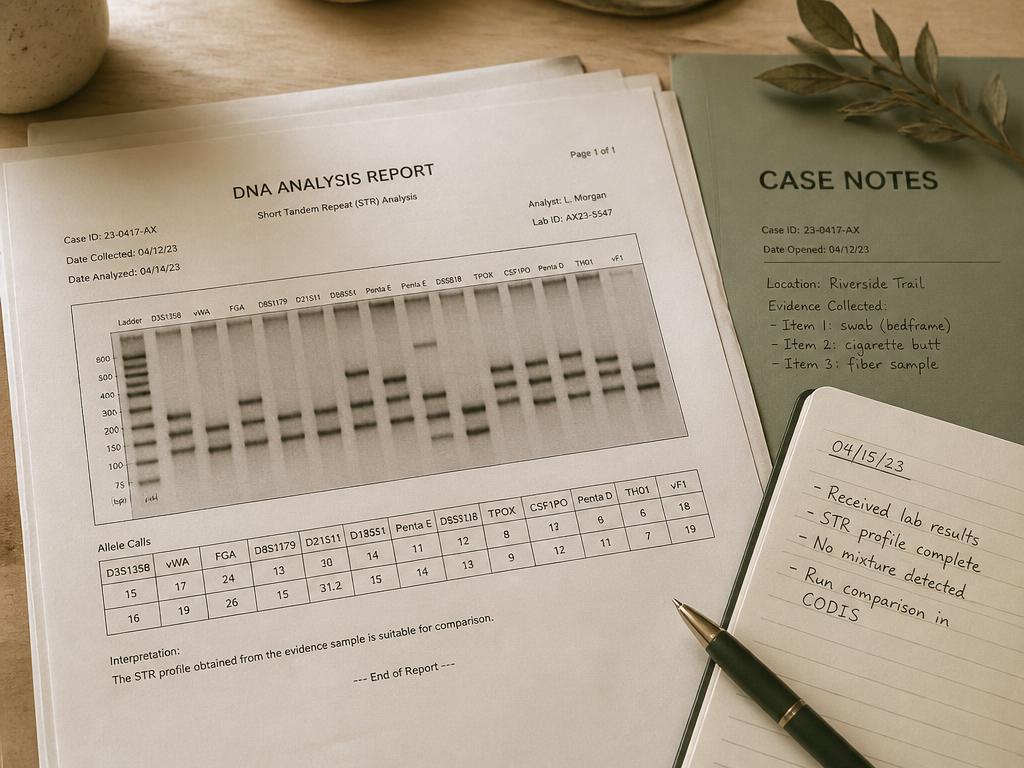
What I found most compelling was the combination of technical precision and human context. A DNA profile or laboratory result is data — but in forensic work, that data can become part of a much larger story.
That has made me especially attentive to evidence, process, documentation, and the difference between what the information suggests and what it can actually support.
Honors research
What happens when better science gives an old question another chance?
My undergraduate Honors research examined the potential for modern DNA analysis and database tools to contribute to unresolved cases and victim identification.
I was interested in the gap between what may have been possible when a case was first investigated and what may be possible now. Advances in DNA technology, databases, and investigative approaches can sometimes create new paths where older methods reached their limit.
The topic also reinforced something I value about scientific work: accuracy matters, but so does understanding what the work means for the people waiting on the other side of an answer.
Full research summary and repository link coming soon.
Forensic science résumé
A version of my résumé focused on forensic coursework, laboratory technique, and analytical experience.
The part of forensics I carry into every kind of work.
Forensics taught me to separate assumption from evidence, document the path to a conclusion, and notice the details that can change how information is interpreted.
Those habits are useful far beyond a crime lab. They are part of how I approach research, problem-solving, and any work where accuracy and context matter.
Looking for someone with a biology + forensics lens?
I'm open to roles where my forensic background, graduate biology training, and analytical mindset could be useful — including opportunities I may not know to search for by title yet.